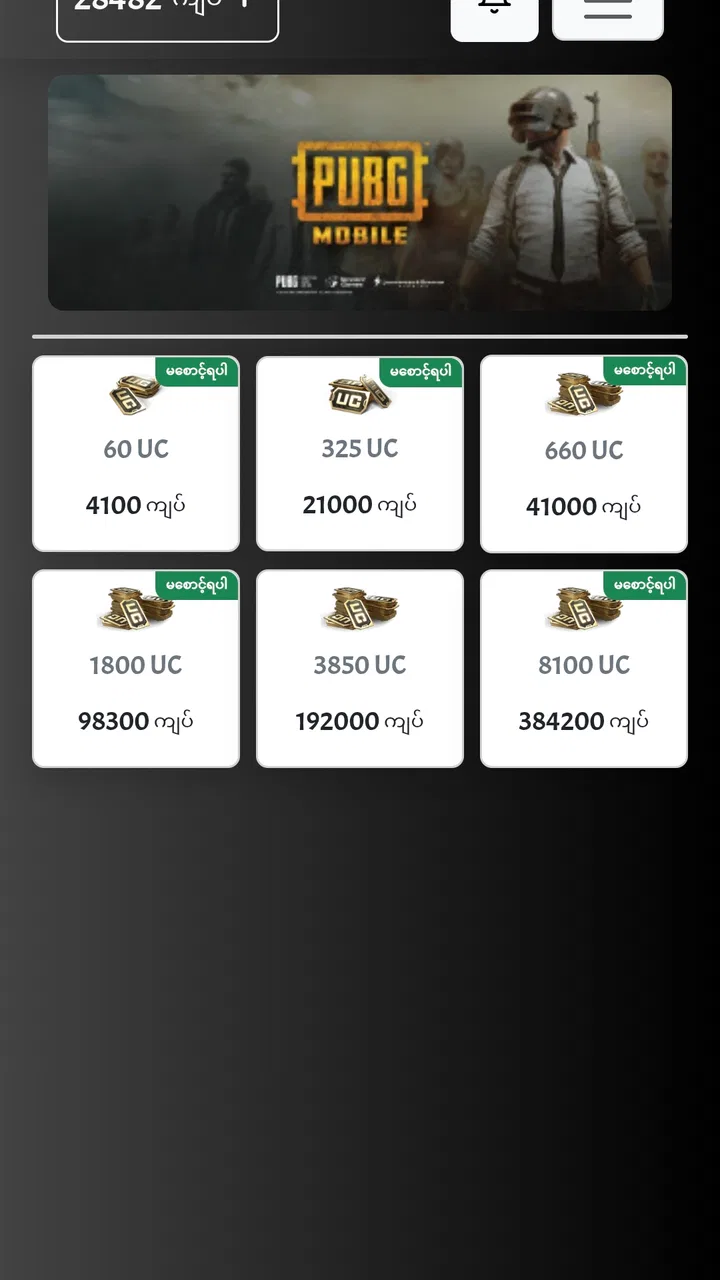
Zenith Harrai Shop
- 4.4
- Rating
- 10.00K
- Installs
- Free
- Price

 Analysis by App-foxy
Zenith Harrai Shop is a free Android app from Ashborn that presents itself as a simple shopping destination. I approached it as a first-time user rather than expecting a large marketplace with years of refinement, and that distinction matters. The app sits in the Libraries & Demo section, carries an Everyone age rating, and uses the short store description “Zenith Harrai.” Its longer store summary welcomes users to the shop, but the real question is whether the experience feels clear and useful once installed.
My overall impression is that this is an app to explore with modest expectations. It may appeal to someone who wants to look through the Zenith Harrai shopping experience in a focused mobile format, especially if the shop is already relevant to them. It is less convincing as a replacement for a familiar, full-scale shopping platform. The value here depends heavily on what you want to find inside the app and how much information is available for each item.
Getting oriented before you shop
The first thing I would tell a new user is not to treat the installation itself as a promise of a complete retail ecosystem. A store app can be useful even when it has a narrow purpose, but a narrow purpose also means the first screen needs to make its direction obvious. With Zenith Harrai Shop, I would begin by looking for the main browsing route rather than tapping around randomly. The goal is to understand whether the app is organized around products, collections, demonstrations, or another shop-specific presentation.
You May Also Like

 AccuWeather: Weather Radar
AccuWeather Review: A Quick, Clear Forecast for Everyday Decisions
For everyday plans, the best forecast is the one you can understand quickly. AccuWeather makes rain timing, radar, and local conditions easy to act on, with a few trade-offs.

 Hill Climb Racing
Why Hill Climb Racing Still Turns Crashes Into One More Run
A tiny car, a bumpy hill and one more upgrade: Hill Climb Racing keeps resurfacing because its simple chaos makes every near-miss feel personal.

 AliExpress - Shopping App
AliExpress Makes Global Shopping Feel Personal, but Shoppers Bear the Risk
AliExpress turns a global marketplace into a pocket-sized discovery engine. Its reach is useful, its shopping loop compelling, and its trade-offs easy to miss.

 Lords Mobile: Kingdom Wars
Lords Mobile Is a Kingdom-Building Routine, Not a Quick Match
A case-by-case verdict on the building, battles, device demands, and social commitments that make Lords Mobile rewarding for some players and exhausting for others.

 PDF Scanner app - TapScanner
TapScanner Makes Paperwork Easier to Capture, Check, and Share
TapScanner makes scanning with a phone feel less like a rescue operation and more like a dependable step in getting work done. Its capture tools are useful, though not flawless.

 Block Blast!
 Shows How Much a Puzzle Game Can Leave Out
A quiet grid game shows why puzzle players increasingly value instant clarity, repeatable skill and low-pressure play—and where the genre still needs to catch up.
More From Our News Desk
View All News


That approach is particularly useful because the app is listed under Libraries & Demo rather than one of the more familiar shopping categories. I would not read that label as a guarantee of advanced retail tools. Instead, I would think of the app as a compact showcase that may be most valuable when its catalog or presentation matches a specific interest. This is a better starting point than assuming it will behave exactly like a major marketplace.
The app is free, so trying it does not require a purchase decision at the installation stage. That makes it easy to evaluate for yourself, but free access should not be confused with a guarantee that every shopping task will be handled inside the app. I would still inspect the available information carefully before relying on it for an important purchase, particularly if I need detailed specifications, delivery information, account tools, or a familiar checkout process.
A useful first-session habit is to spend a minute identifying the app’s basic rhythm. Can you move from the opening screen to an item without guessing? Does an item provide enough context to understand what it is? Is there a clear way to return to browsing? These questions tell you more about practical usability than the welcome wording alone. If the path feels direct, the app can work well as a focused shop browser. If every step requires trial and error, the experience becomes less attractive for casual users.
What the first launch should accomplish
For me, a successful first launch has a very small objective: reach one meaningful piece of shop content and understand why it might matter. That could mean viewing an item, reading its description, or identifying a collection that is relevant to you. I would not begin by trying to inspect every screen. A short, deliberate test reveals whether the app is useful without turning the first session into a chore.
Zenith Harrai Shop is currently at version 1.0.1, which suggests that I would judge it as an early-stage experience rather than a mature platform packed with years of accumulated options. That does not automatically make it poor. Early apps can be easier to understand because they avoid clutter, but they can also leave more work to the user when navigation or shopping details are not fully developed.
The app has an average rating of 4.4 from around 186 ratings, and it has passed the threshold of 10K+ installs. Those figures indicate that people have tried it and that the overall reaction has been favorable, but I would still use the app personally before forming a strong opinion. A rating can tell me that the concept works for some users; it cannot tell me whether the catalog suits my needs or whether the shopping flow is comfortable on my device.
Finding the first useful result
My recommended workflow is simple. Open the app, identify the main route into the shop, choose one item or section that catches your attention, and read everything presented before moving on. Do not judge the app only by how quickly it opens a screen. The meaningful test is whether that screen helps you decide what to do next.
If you find something relevant, save yourself from a common mistake: do not assume that seeing an item means the entire purchase process is complete. Separate discovery from buying. First decide whether the item is understandable and suitable. Then look for the next action the app makes available. This habit prevents confusion when a compact shop app focuses more on presentation or browsing than on the complete ordering process users may expect from larger retail services.
I also recommend noting the wording used for buttons and sections. In a small, specialized app, labels may carry more responsibility because there are fewer screens to explain the workflow. If a button appears to lead to details, check whether it actually provides enough information to make a decision. If it seems to begin an order, look for the point at which the app asks you to continue elsewhere. That distinction is one of the most important things a first-time user can establish early.
For an everyday scenario, imagine that a friend mentions Zenith Harrai and you want to inspect what the shop offers while commuting. This app could be convenient if you only need a focused look at the available presentation and can reach the relevant content quickly. It is less convenient if you need to compare many unrelated sellers, filter a huge catalog, check extensive buyer feedback, or coordinate a complicated order. In that situation, a broad marketplace or the shop’s established web channel may be the better tool.
Where new users may hesitate
The biggest potential friction is expectation management. The word “Shop” naturally makes people think of search, categories, product comparisons, cart handling, payment, order history, and delivery tracking. A specialized app does not necessarily provide all of those functions. I would therefore look for evidence of each step instead of assuming it exists because the app has a retail name.
This is not a criticism of the concept. A focused app can be perfectly worthwhile when it gives users a clean way to explore one brand or one collection. The trade-off is that it may not be the right place for broad price comparison or a full shopping account. If your usual shopping routine depends on filters, extensive reviews, saved addresses, or a unified order history, the familiar alternative will probably remain more efficient.
Another possible source of confusion is the relationship between the app’s Libraries & Demo classification and its shop identity. A first-time user may wonder whether the app is primarily a catalog, a demonstration, or a transactional store. I would answer that question through use rather than through the category label: try to complete the path from discovery to the next available action, then decide whether the app meets your definition of shopping.
It is also worth checking the age suitability in context. The app is rated Everyone, which makes it broadly approachable from an age-rating perspective. That does not replace ordinary care when reviewing products or deciding whether an item is appropriate for a particular person. It simply means the app itself is presented as suitable for a general audience.
Three practical habits that improve the experience
First, use the app as a discovery tool before treating it as a purchase tool. This is especially helpful when you are unfamiliar with Zenith Harrai. Read the available item information, identify the shop’s presentation style, and only then decide whether you need another channel to finish the task. This keeps the app useful even if your eventual purchase happens elsewhere.
Second, test the back path early. Open a section, enter an item, and return to the previous screen before you browse deeply. If the return behavior is clear, you can explore with confidence. If it is not, you will know to move more cautiously and avoid losing the place you were viewing. This small check is more valuable than repeatedly reopening the app after becoming disoriented.
Third, judge information quality separately from visual appeal. A neat presentation can make a shop feel polished, but a buying decision depends on details. I would ask whether the text answers the questions I personally have, whether the next action is understandable, and whether the app gives enough context to distinguish one item from another. This is the difference between an attractive demo and a genuinely useful shopping companion.
A fourth habit is to compare the app with your normal shopping route after one focused visit, not before. If Zenith Harrai Shop lets you reach relevant content faster than a browser search, it earns a place in your routine. If the browser provides clearer details or a more complete transaction path, there is no reason to force the app into a role it was not designed to fill.
Who will get the most from it
I see the strongest fit for users who already have a reason to look up Zenith Harrai and want a dedicated mobile entry point. The app may also suit curious visitors who prefer a focused shop experience over navigating a crowded marketplace. Because it is free and carries an Everyone rating, it is easy to test without much commitment.
It is a weaker fit for shoppers whose priority is breadth. If you want one app that combines many retailers, advanced sorting, extensive customer feedback, delivery updates, and a long purchase history, I would choose a well-established marketplace instead. The same applies if you are comparing dozens of alternatives rather than exploring one specific shop identity.
I would also skip it as a primary shopping tool if the first session does not answer your basic questions. A dedicated app should reduce effort, not make you reconstruct the shop’s purpose from scattered screens. If you find yourself switching immediately to a browser just to understand an item, keep the browser as your main route and use this app only when its focused presentation offers something extra.
The developer is Ashborn, and the current release is still early enough that I would pay attention to how comfortably the app handles your particular device and routine. I would not install it expecting a large ecosystem on day one. I would install it to test a specific need: browsing Zenith Harrai content in a direct, mobile-friendly way.
My recommendation after a realistic first session
After approaching it as a first-time user, I would describe Zenith Harrai Shop as a focused app worth trying when you have a clear interest in the shop behind it. Its strongest quality is its narrow identity: it gives the user one place to begin exploring rather than asking them to search across unrelated services. That can be refreshing when you already know what you are looking for.
Its main limitation is the same narrowness. Users may expect the completeness of a major shopping platform and feel disappointed if they need broader discovery or more elaborate purchase management. I would therefore keep the app in the role it handles best: a starting point for exploring the Zenith Harrai offering, followed by a careful decision about whether the available next step is sufficient for your needs.
If the first meaningful action feels clear on your phone, the app is easy to justify because it is free and quick to evaluate. If the route from browsing to decision-making feels incomplete, use that as a practical signal rather than a personal failure. The right alternative may be a browser or a broader marketplace, depending on whether you value focused presentation or full retail functionality.
My bottom line: I recommend giving Zenith Harrai Shop a short, purposeful trial if Zenith Harrai is already relevant to you. Go in looking for one useful result, check how clearly the app explains the next step, and compare that experience with your usual shopping method. For a focused shop visit, it may be a convenient addition; for all-purpose online shopping, I would keep your established alternative close at hand.
FAQs for Zenith Harrai Shop
01What is Zenith Harrai Shop and what can I do with it?
Zenith Harrai Shop is a versatile shopping application available on both Android and iOS platforms. It allows users to explore a wide range of products, from electronics to clothing, and make purchases directly through the app. The app offers features like personalized recommendations, secure payment options, and tracking of orders to enhance the shopping experience.
02Are there any membership or subscription fees for using Zenith Harrai Shop?
No, there are no membership or subscription fees required to use Zenith Harrai Shop. The app is free to download and use. However, users may encounter in-app purchases or premium features that can enhance the shopping experience, such as exclusive deals or early access to sales.
03How secure is my personal and payment information with Zenith Harrai Shop?
Zenith Harrai Shop places a high priority on user security. The app employs advanced encryption protocols to protect personal and payment information. Additionally, it supports secure payment gateways and offers the option to use trusted payment methods like PayPal, ensuring users can shop with confidence.
04Can I return or exchange products purchased through Zenith Harrai Shop?
Yes, Zenith Harrai Shop has a straightforward return and exchange policy. Users can initiate returns or exchanges directly through the app within a specified period, usually 30 days. The app provides clear instructions and support for handling these processes, ensuring a hassle-free experience.
05Is customer support available for users of Zenith Harrai Shop?
Absolutely, Zenith Harrai Shop offers robust customer support accessible through various channels. Users can reach support via in-app chat, email, or a dedicated helpline. The support team is responsive and trained to assist with any issues, whether they relate to product inquiries, payment concerns, or technical difficulties.
Pros
- User-friendly interface with intuitive navigation.
- Wide range of products with detailed descriptions.
- Secure payment options ensure safe transactions.
- Regular updates with new features and improvements.
- Responsive customer service available 24/7.
Cons
- Occasional app crashes reported by users.
- Limited payment options in certain regions.
- Slow loading times during peak hours.
- Some features require a stable internet connection.
- Not all products available in every location.

Zenith Harrai Shop
Gallery